
How Does Alcohol Affect the Brain?
First, dopamine alters the sensitivity with which dopamine-receptive neurons respond to stimulation by classical neurotransmitters, particularly glutamate.3 This mechanism is referred to as the phasic-synaptic mode of dopaminergic signal transmission. Second, dopamine can modulate the efficacy with which electrical impulses generated in dopaminergic or nondopaminergic neurons result in neurotransmitter release from the nerve terminals of these signal-emitting (i.e., pre-synaptic) cells. This presynaptic influence is part of the tonic-nonsynaptic mode of dopaminergic signal transmission. Disentangling this web of various forces that drive dopamine levels one way or the other over a person’s life is critical to the recovery process. If a suitable reward structure isn’t put in place to serve the role that drinking once did, the risk of relapse is expected to be higher.
The Role of Dopamine in Creating Positive Feelings After Drinking
Ethanol, the main psychoactive molecule acting in alcoholic beverages, directly impacts the GABAergic system, contributing to GABAergic dysregulations that vary depending on the intensity and duration of alcohol consumption. A small number of interventions have been developed that target the GABAergic system, but there are promising future therapeutic avenues to explore. Altered emotional processing has been found both during alcohol intoxication and dependence and appears to worsen as consumption increases. In addition to structural alterations, evidence suggests that chronic exposure to alcohol can lead to functional dysregulation of key brain systems that control behaviour such as reward processing, impulse control and emotional regulation. In recent years, functional alcohol effects on dopamine magnetic resonance imaging (fMRI) has been used to probe these pathways via blood oxygen level dependent (BOLD) signal in the brain both at rest and during the performance of neurocognitive tasks in an MRI scanner.
The Relationship Between Alcohol Use Disorder and Mental Health Disorders
During acute and protracted withdrawal, a profound negative emotional state evolves, termed hyperkatifeia (hyper-kuh-TEE-fee-uh). The brain mediates our motivation to repeat behaviors that lead to pleasurable, rewarding states or reduce uncomfortable, distressing physical or emotional states. In this context, drinking alcohol can be motivated by its ability to provide both relief from aversive states and reward. These dual, powerful reinforcing effects help explain why some people drink and why some people use alcohol to excess. With repeated heavy drinking, however, tolerance develops and the ability of alcohol to produce pleasure and relieve discomfort decreases, which can further escalate alcohol use.
Your Brain on Alcohol
- Eventually, you rely fully on alcohol to generate dopamine release, and without it, you experience withdrawal symptoms.
- Some alcoholics become deficient in an enzyme that prevents them from metabolizing vitamin B1 (thiamine), or they simply don’t eat a nutrient-rich diet, causing malnutrition.
- Another study by the global burden of disease (GBD) collaborative network reported a 1.5% global AUD prevalence in 2019, highlighting variabilities between countries (Castaldelli-Maia and Bhugra, 2022).
- When consumed, alcohol affects various neurotransmitter systems, including dopamine.
- Alcohol’s interaction with opioid receptors plays a significant role in its euphoric and reinforcing effects.
The contrasting microdialysis results in alcohol‐drinking versus alcohol‐naïve rats highlight OSU6162´s ability to modulate the dopamine output dependent on the prevailing dopaminergic tone. Furthermore, these results indicate that OSU6162 might have the ability to attenuate alcohol‐mediated behaviours by counteracting the hypo‐dopaminergic state induced by long‐term drinking. Alcohol use is typically initiated during adolescence, and studies have found that alcohol can impact neurodevelopmental trajectories during this period. Typical brain maturation can be characterized as a loss in grey matter density due to synaptic pruning alongside ongoing growth of white matter volume that reflects increased myelination to strengthen surviving connections 49. These effects are found in prefrontal, cingulate, and temporal regions as well as the corpus callosum and may reflect an acceleration of typical age-related developmental processes similar to what we have drug addiction described in adults with alcohol dependence.
What are the short and long-term effects of alcohol use on your brain and body?
These observations are in general agreement with recent studies examining prefrontal function in chronic alcohol-exposed mice (Holmes et al., 2012; Kroener et al., 2012). Interestingly, the reduction of D2 and D4 receptor function that we recently reported appeared immediately after cessation of chronic alcohol exposure and remained attenuated for up to 4 weeks after the last exposure to alcohol (Trantham-Davidson et al., 2014). Although speculative, it is reasonable to suggest that this loss of D2 receptor function could result in dysregulation of both persistent network activity and tuning of those networks. Interestingly, since there were no differences in D2 or D4 receptor expression as measured by receptor autoradiography, a likely explanation for the observed loss of D2/D4 function in the PFC is an uncoupling of these receptors from their signaling pathways. This uncoupling could result in alterations in phosphorylation of downstream targets that modulate activity. In the adult PFC, D2/D4 receptor stimulation increases firing in FSINs (Tseng & O’Donnell, 2007b), resulting in more precise regulation over pyramidal cell networks.
Natural Ways to Restore Dopamine Function: Nutrition, Exercise, and Behavioral Therapies
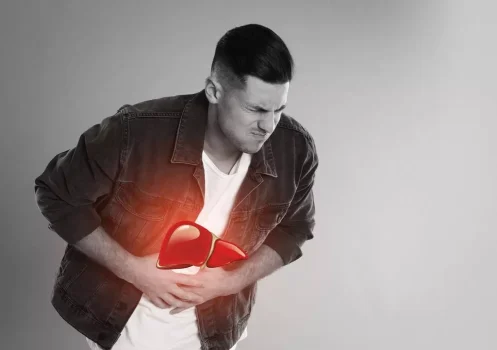
Yes, with the right treatment, including medications, nutrition, and behavioral therapies, it is possible to restore dopamine balance in the brain over time. Alcohol may seem like an easy solution to our blues, but we must remember that this mood-boosting effect is short-lived. The resulting drop in dopamine levels after we sober up can lead to feelings of anxiety and depression, creating a problematic cycle that only intensifies with time. Dopamine is released in our brains during happy, contented moments, whether we’re enjoying a favorite meal, laughing with our friends, or feeling satisfied after accomplishing a goal.
- A combination of dehydration, low blood sugar, and various by-products of alcohol can leave us struggling to move or think.
- Long-term alcohol intake also induces changes in many neurotransmitter systems that ultimately lead to the development of craving and alcohol-seeking behavior.
- Drugs interfere with the way neurons send, receive, and process signals via neurotransmitters.
- Dopamine is central to the reward system, which not only rewards basic needs like food and social interaction but also reinforces behaviors that bring pleasure.
- In healthy controls, alcohol consumption stimulates dopamine release mediating its reinforcing effects.